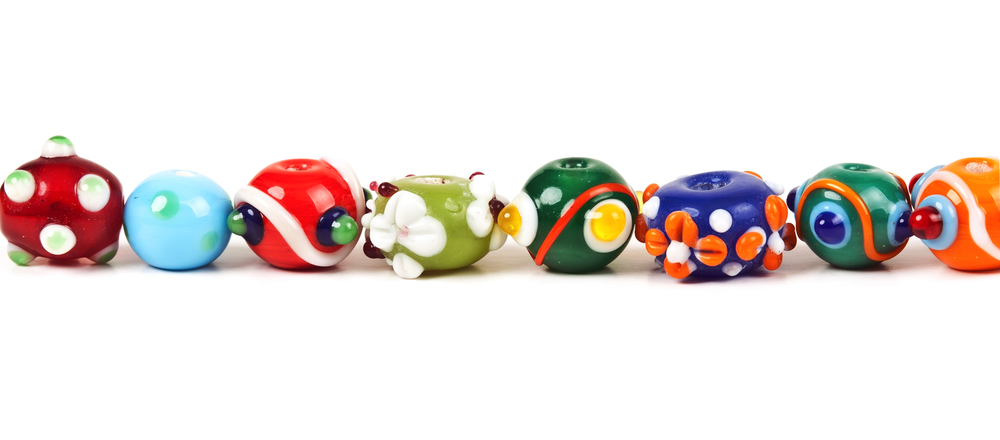
Glass beads have captivated artisans and collectors for centuries. From ancient trade routes to modern jewelry studios, glass bead jewelry continues to shimmer with endless versatility. They are used in fine jewelry, interior design, fashion embellishment, and even therapy. The beauty of glass beads lies in their diversity — transparent or opaque, smooth or faceted, vibrant or subdued. Understanding their many applications can help artists, designers, and crafters create projects that combine creativity with craftsmanship.
1. Beads in Jewelry Making
Jewelry remains the most popular use for beads. Their luminous quality and wide range of shapes allow designers to craft stunning necklaces, bracelets, and earrings. Unlike precious stones, glass beads offer affordability without compromising on elegance. Venetian Murano beads, for instance, are handcrafted and known for their intricate detail. Seed beads, a staple in bead weaving and embroidery, come in thousands of colors and finishes, perfect for intricate patterns. The accessibility of glass bead jewelry makes them ideal for both hobbyists and professional jewelers.
2. Home Decor
Glass beads bring light and texture to interior spaces. They can be incorporated into curtains, lampshades, vases, and chandeliers, reflecting ambient light to create subtle visual effects. Designers use glass bead jewelry mosaics to accent furniture, mirrors, and even bathroom tiles. When arranged in patterns, these beads can add a luxurious touch to minimalist interiors. Decorative bowls filled with glass beads serve as centerpieces that shimmer with elegance. The durability and luster of glass make it a long-lasting decorative material suitable for modern and classic homes alike.
3. Glass Beads in Fashion and Embellishment
In the fashion industry, glass bead jewelry is essential for embellishment and couture detailing. Designers sew or embroider them onto fabrics to create patterns, textures, and shine. Bead embroidery can elevate an outfit from ordinary to exquisite, often featured on bridal gowns, handbags, and footwear. Because glass beads catch light beautifully, they are ideal for evening wear. Beyond aesthetics, their weight adds structure to fabrics, helping garments drape gracefully. From runway designs to DIY clothing projects, glass beads redefine elegance in fashion.
4. Art and Sculpture
Many contemporary artists use decorative glass beads as part of mixed-media artwork. They are glued, stitched, or embedded into canvases, giving dimension and depth to visual pieces. Sculptors may incorporate them into resin or metal frameworks to capture light in innovative ways. Bead mosaics, an art form dating back thousands of years, continue to evolve with modern techniques. The color stability of glass bead jewelry ensures that art remains vibrant over time, making them a reliable material for permanent installations and gallery displays.
5. Glass Beads in Cultural and Historical Contexts
Decorative glass beads hold deep cultural significance in many societies. Ancient Egyptians used them as symbols of status and protection, while Native American tribes integrated them into ceremonial garments and wampum belts for storytelling. African beadwork, particularly from the Yoruba and Maasai tribes, uses glass bead jewelry to convey heritage, social identity, and spiritual meaning. Historically, glass bead jewelry also played a role in global trade — from Venice to West Africa and the Americas. Their enduring cultural presence connects art, economy, and spirituality across civilizations.
6. Glass Beads in Craft and DIY Projects
Crafters love glass beads for their versatility. They can be used in everything from holiday ornaments and dreamcatchers to bookmarks and keychains. Because they come in various sizes — from tiny seed beads to large statement pieces — they adapt easily to different creative needs. Transparent glass bead jewelryfilled with glitter or tiny charms can make personalized gifts. For children, supervised bead threading helps develop motor skills and color coordination. The possibilities with glass beads in crafting are nearly limitless, inspiring creativity in every age group.
7. Glass Beads in Scientific and Industrial Applications
Beyond art, glass beads serve practical roles in science and industry. In reflective road paint, they enhance visibility by reflecting headlights at night. In laboratories, uniform glass microspheres are used for filtration, calibration, and material testing due to their precision and consistency. Some industries use glass bead jewelry for shot peening — a process that strengthens metal components by bombarding them with small beads. Their smooth, spherical shape makes them ideal for cleaning and surface finishing without damaging delicate materials.
8. Glass Beads in Therapeutic and Educational Settings
Glass beads are not just for aesthetics; they also support therapy and education. In occupational and art therapy, beading activities improve focus, coordination, and fine motor skills. The rhythmic process of threading beads can be calming, providing a tactile form of mindfulness. Teachers often use colorful decorative glass beads for counting exercises and sensory learning in early education. The tactile and visual appeal of glass beads makes them a valuable tool for cognitive development and relaxation.
9. Glass Beads in Modern Sustainable Design
As sustainability becomes central to design, recycled glass bead jewelry is emerging as an eco-friendly alternative. Many artisans repurpose glass from bottles and windows, melting it down to form new beads. This reduces waste while preserving the material’s beauty. Ethical jewelry brands and eco-conscious designers often promote glass beads as sustainable, durable, and non-toxic materials. By using recycled glass beads, creators can combine aesthetics with environmental responsibility — a reflection of modern values in art and production.
Conclusion
Decorative glass beads have transcended centuries, cultures, and industries, proving their remarkable adaptability and timeless beauty. Whether adorning jewelry, brightening homes, or strengthening machinery, glass bead jewelry embodies a fusion of art and science. Their luminous charm continues to inspire creativity in artisans, engineers, and designers worldwide. As sustainable production grows, the future of glass bead jewelry shines even brighter — quite literally — in both artistic and industrial innovation.
Reference
-
The Corning Museum of Glass. “Beads and Beadmaking.” https://www.cmog.org
-
Smithsonian Institution. “African Beads and Cultural History.” https://www.si.edu
-
ScienceDirect. “Applications of Glass Microspheres in Industry.” https://www.sciencedirect.com
Meta Description: